What TSA says
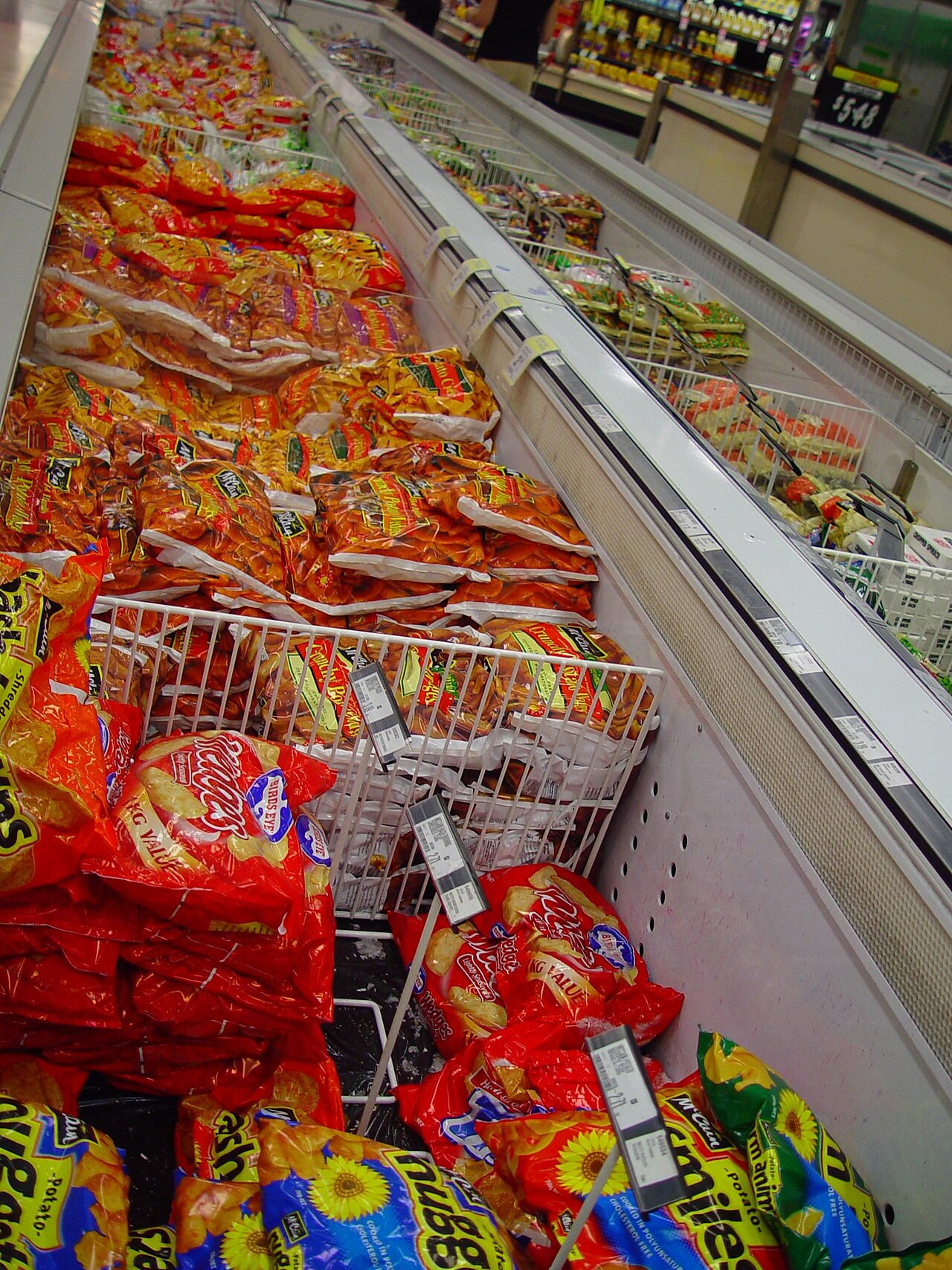
The Frozen Food entry, last updated 15 August 2017: “Meat, seafood, vegetables and other non-liquid food items are permitted in both carry-on and checked bags.”
The condition is on the ice. If the food is packed with ice or ice packs in a cooler or another container, TSA says they “must be completely frozen when brought through screening.”
If it starts to melt
TSA’s entry: “If the ice or ice packs are partially melted and have any liquid at the bottom of the container, they will not be permitted.”
Gel packs get the same test on their own page: ice packs. Dry ice has a different rule, with a weight limit and airline approval. See dry ice.
Flying home from abroad
TSA’s answer covers screening at US airports. On the way home you go through the other airport’s screening first, and its rules are the ones that count there.
Coming home through US customs
CBP and USDA don’t name frozen food on their traveler pages, so there is no yes or no to give. What matters is what’s in the container. CBP says: “Many fresh, dried, and some canned meats and meat byproducts are prohibited entry into the United States from foreign countries because of the continuing threat of foot-and-mouth disease (FMD), bovine spongiform encephalopathy (BSE, or mad cow disease), and other animal diseases.”
That page doesn’t carve out frozen meat. CBP also says every traveler has to declare meats and animal products, soup included.
Declare it either way. USDA says declared food brings no penalty, even when it’s refused. What happens if you don’t.

TSA puts this on every entry: “The final decision rests with the TSA officer on whether an item is allowed through the checkpoint.”