In your carry-on
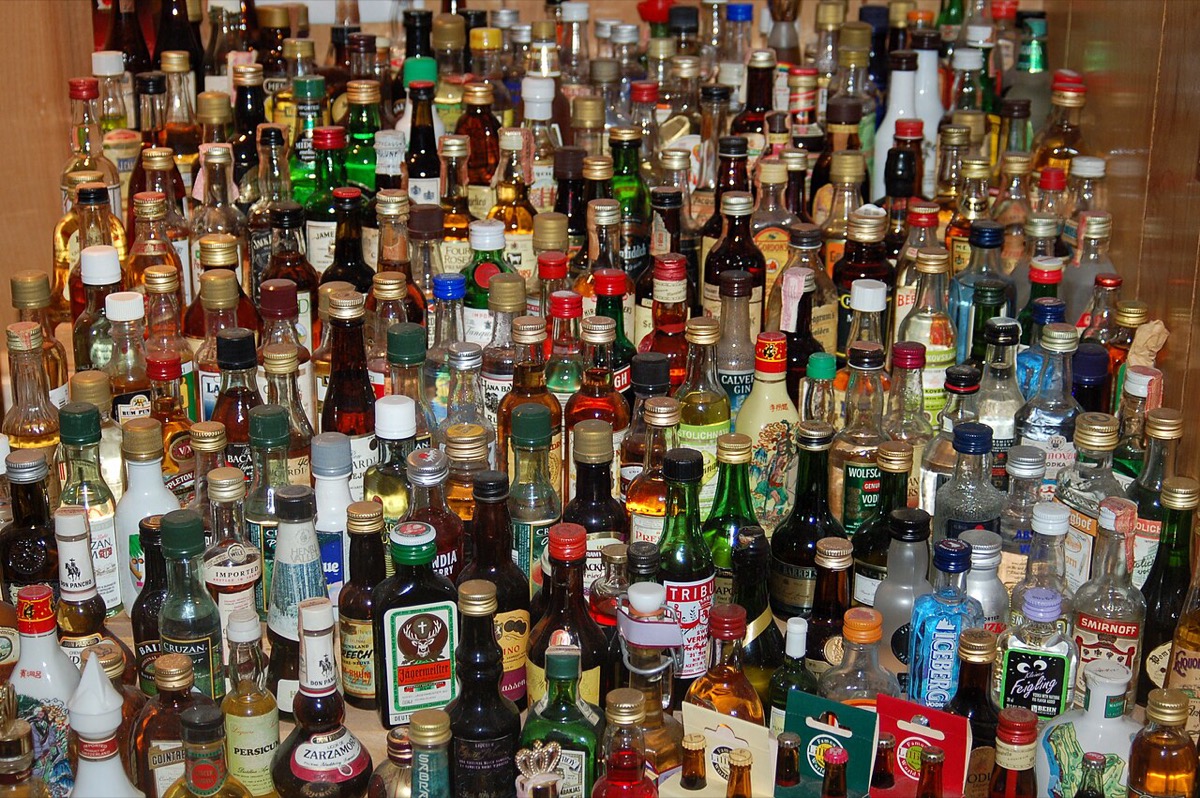
TSA’s entry says yes in a carry-on “Less than or equal to 3.4oz/100 ml allowed”. That is mini-bottle territory. TSA: “Mini bottles of alcohol in carry-on must be able to comfortably fit into a single quart-sized bag.”
A full bottle of anything goes in the checked bag. Wine follows the same rule.
In your checked bag
How much you can pack depends on the strength printed on the bottle.
- 24% alcohol or less: “not subject to limitations in checked bags,” TSA says.
- More than 24%, up to 70%: 5 liters (1.3 gallons) per passenger, in unopened retail packaging. The FAA also caps a single package at 5 liters.
- More than 70% (over 140 proof), grain alcohol and 151 proof rum included: not allowed in a carry-on or a checked bag.
Duty-free bottles bought abroad
TSA lets you carry duty-free liquids over 3.4 ounces in your carry-on in one situation: you bought them internationally and you’re on a connecting flight to the United States. The retailer has to seal them in a clear, tamper-evident bag, the original receipt has to be with them, and the purchase has to be within 48 hours.
The bottle still gets screened, and one that alarms or can’t be screened doesn’t go in your carry-on. TSA recommends packing every liquid over 3.4 ounces in your checked bag, tamper-evident bag or not.
On the plane
TSA says to check with your airline before bringing any alcohol on board. FAA rules bar passengers from drinking alcohol on an aircraft unless a flight attendant serves it, and flight attendants aren’t allowed to serve a passenger who is intoxicated.
Flying home from abroad
TSA’s answer covers screening at US airports. On the way home you go through the other airport’s screening first, and its rules are the ones that count there.
Coming home through US customs
CBP: “One American liter (33.8 fl. oz.) of alcoholic beverages may be included in your returning resident personal exemption if: You are at least 21 years old. It is intended exclusively for your personal use and not for sale. It does not violate the laws of the state in which you arrive.”
Past that liter, CBP’s example is a traveler with two liters of liquor: one is duty-free and the other is “dutiable at 3 percent, plus any Internal Revenue Tax (IRT) that is due.” It also warns that “unusual quantities may raise suspicions that you are importing the alcohol for other purposes, such as for resale.”
State law counts too. CBP’s prohibited items page says the laws of the state where you first arrive govern how much alcohol you may bring and whether you need a license, so contact that state’s alcoholic beverage control board before you leave.

TSA puts this on every entry: “The final decision rests with the TSA officer on whether an item is allowed through the checkpoint.”